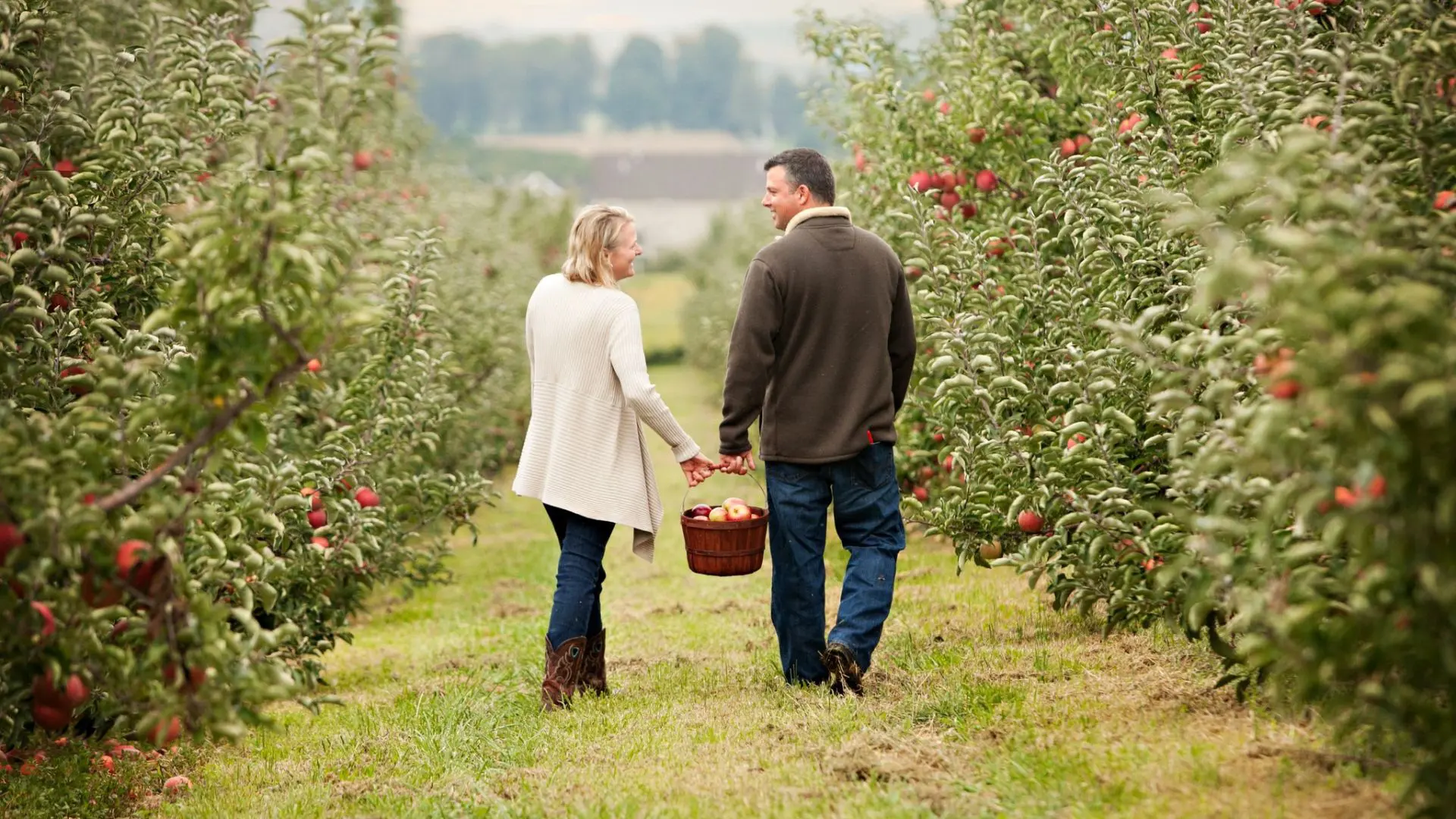
Travelers are thirsty for local, agricultural experiences. A working paper by the University of Iowa Center for Agricultural and Rural Development predicted in 2024 that the world agritourism market would reach US $205.6 billion by 2033. What accounts for the growing demand? The report cited “growing consumer interest in sustainable tourism, rising demand for organic and local farm-to-table food, government support for rural development, and consumer interest in health-focused holidays.”.
The cider industry’s rich agricultural heritage makes it ripe for agritourism, and tourism associations across the globe are tapping into these opportunities. Cider aligns with how today’s travelers eat and drink,” says the Northwest Cider Association in an infographic, with “broader inclusive appeal… [cider] naturally complements outdoor, culinary and craft tourism.”
Another of these entities leaning into cider tourism is Ciderlands, an international network of destinations that promote the global diffusion of culture and tourism around cider and perry — including Basque Country, Norway, Germany and seven other locations. In Japan, Global Cider Connect promotes cider and cider tourism sponsored by the Southern Nagano Cider Tourism Bureau and coordinated by inCiderJapan along with the NPO International Apple & Cidre Association.
With cider trails and passports from Normandy to Vermont, Herefordshire to Minnesota, and beyond, cider curious travelers can experience places across the globe through their farms, fruit and hospitality offerings. In British Columbia alone, the BC Farm Crafted Cider Association has curated eight cider trails across its scenic regions. It’s not uncommon to find cideries on Hipcamp, Airbnb and Harvest Host across North America.
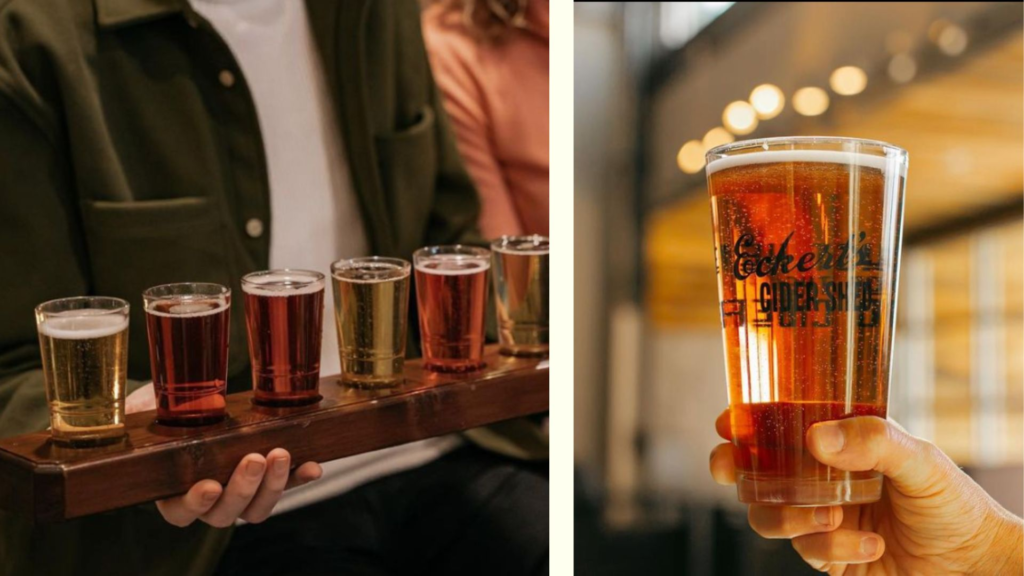
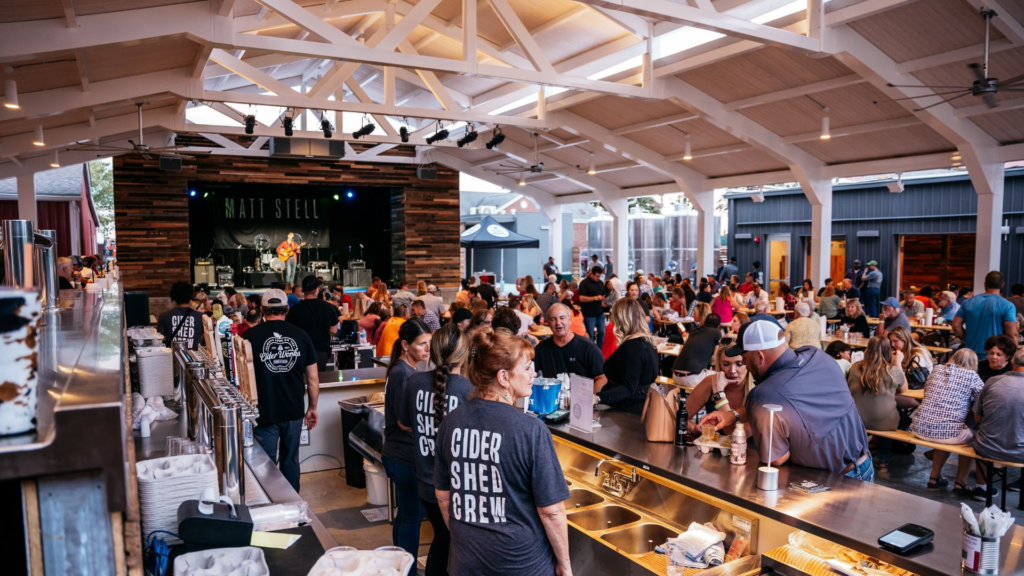
In Illinois and Kentucky, Eckert’s Farm’s cidery was born out of this growing interest in fermented apples. “At Eckert’s, agritourism is an extension of the farming we’ve done for over a century,” says Jerry Hearn, Eckert’s Agritainment Director. If his job title doesn’t say it already, this cider company lives and breathes hospitality. “Everything we do starts with growing great fruit. Whether guests are picking fruit in our orchards, enjoying hard cider made from our apples, shopping in our Country Store, or attending one of our seasonal events, every experience is rooted in agriculture. By creating multiple ways for people to connect with the farm throughout the year, we’ve built a business that’s both resilient and true to who we are as a family,” Hearn says.
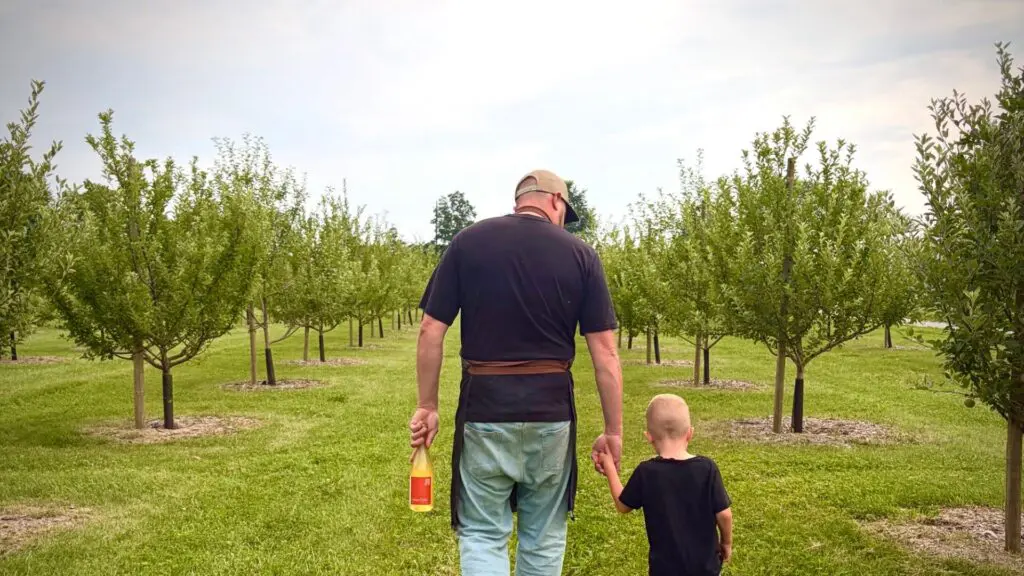
Cider professionals like Hearn aren’t just serving cider, they’re curating distinctive experiences with a sense of place that connect us back to our natural world. He attributes the global rise in agritourism to a craving for authentic experiences. “In today’s world, so much of life happens online that families are intentionally seeking places where they can slow down, spend time together, and make memories outdoors.”