Those wildly creative ciders you see at your local bottle shop or cider bar might already be waiting in your backyard. You just haven’t planted them yet.
For the experimenting cidermaker, a dedicated garden opens up completely new possibilities. Fill your plots and pots with flavorful botanicals, and you might find yourself experiencing cider in a whole new way. Herbs bring brightness and depth, flowers add a little visual drama alongside plenty of aroma, and complementary fruits can nudge a simple dry cider into delightfully unexpected territory.
This isn’t about tossing random leaves into a carboy and hoping for the best. Cultivating your own adjuncts allows you to control the quality, freshness and specific varieties of your ingredients. Plus, it gives your cider a genuine sense of place.
Here is a guide to some of the best plants to grow for cider-friendly additions, along with a few simple ways to use them and get the absolute most out of your harvest.
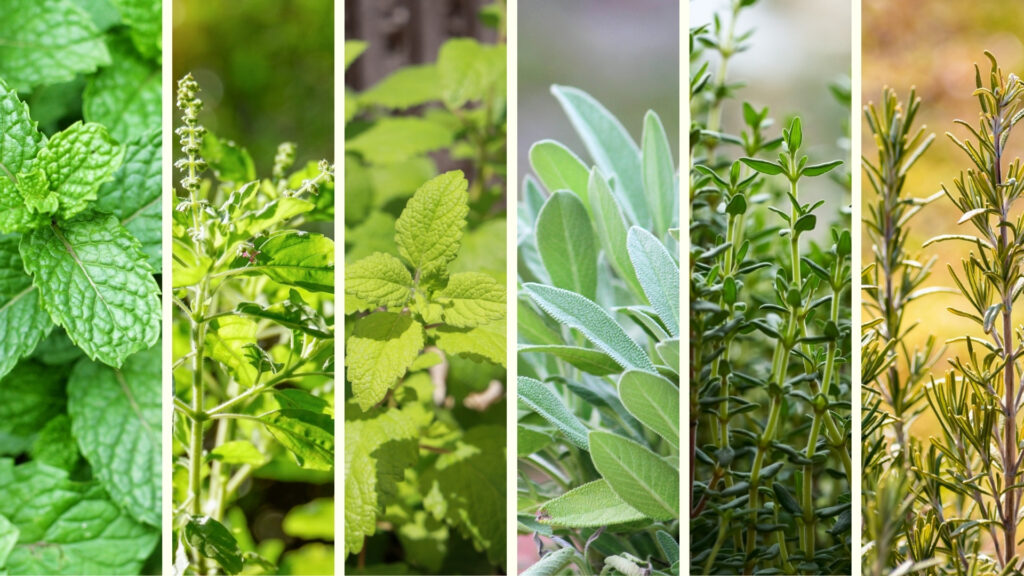
The green stuff: herbs
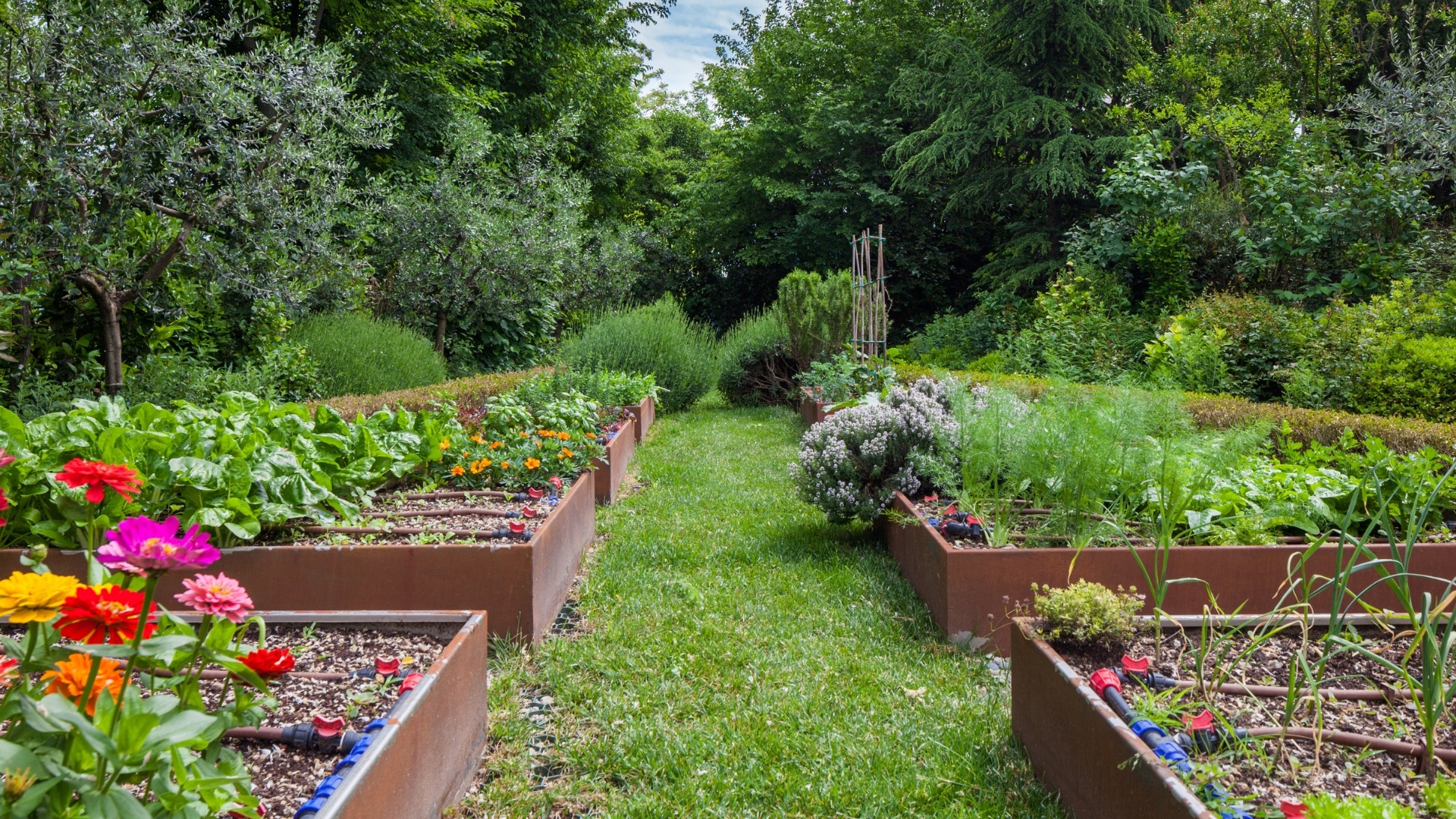
Fresh herbs are some of the easiest and most rewarding plants to grow for cider. Most mature quickly, and a few pots on a sunny windowsill or a small raised bed can supply plenty of raw material for infusions, garnishes and cocktail syrups. And remember, culinary herbs generally do best in full sun and free-draining soil. Harvest them in the morning after the dew dries, when their essential oils are most concentrated.
If you’re sourcing flowers instead of starting them from seed, make sure they are grown without pesticides before using them in food or drinks. Not every flower is edible, so stick to the safe ones. When in doubt, look it up. There is no need to accidentally poison yourself in the pursuit of craft.
Mint – A natural starting point, mint carries a cool, bright character that pairs beautifully with sparkling ciders. It cuts through sweetness and adds a crisp lift to the glass. Spearmint is typically more delicate than peppermint, making it a highly versatile choice for both garnishes and post-fermentation infusions. With more than 600 varieties out there, you have plenty of room to experiment. Pineapple, apple and chocolate mint are just a few fun ones to try. Just be sure to give mint its own dedicated pot. It is notorious for conquering garden beds and aggressively taking over nearby plants.
Basil – Intensely fragrant and full of personality, basil’s sweet, slightly peppery notes play nicely with both dry and semi-sweet ciders. Like mint, basil comes in a wide range of varieties, ranging from the classic Genovese to more adventurous options. Lemon or Thai basil can bring citrusy or spicy twists to your next batch. Plant it in a sunny spot with well-drained soil and pinch off the flower buds to keep the leaves coming. Muddled into a cider cocktail or used as a fresh garnish, basil adds a bright pop of color and a burst of herbaceousness. You can even use the dried seeds in the same way you would use chia seeds, adding a textural element to cider-based mixed drinks.
Lemon Balm – It rarely gets as much attention as other herbs, but lemon balm absolutely deserves its own patch of dirt. Its gentle citrus note is much softer than lemon zest, adding a delicate herbal sweetness that works naturally in both still and sparkling styles. Harvest the leaves before flowering for peak flavor, and use them fresh or dried to impart a subtle, lemony zing to your ferments.
Sage – For cidermakers who enjoy savory, complex flavor profiles, sage is your best friend. Its earthy, piney character couples particularly well with dry, tannic ciders — especially those made with heritage apple varieties. Used sparingly, sage can add serious depth and structure to an infusion. It also lends an aromatic touch as a garnish in cider cocktails. You can even try lightly smoking the glass with a dried sprig before pouring. Regular harvesting will keep the plant bushy and highly productive throughout the growing season.
Thyme – With a trace of woodsy character, thyme complements both cider infusions and cocktails beautifully. A small sprig can transform a simple cider drink into something that feels thoughtful and craft-driven without overpowering the apple base. It pairs gorgeously with bone-dry ciders and natural ingredients like honey, lemon or pear. Like sage, regularly clipping the stems encourages healthy new growth.
Rosemary – This is not a shy herb. Its resinous aroma lends cider a strong herbal note, working wonderfully in dry or barrel-aged styles. When you use it with restraint, it adds savoriness and a profound sense of structure and complexity. The plant grows happily in warm patches with well-drained soil and asks for very little attention once established. Start small when introducing rosemary to your cider. A single sprig goes a long way, and can also be used to smoke a glass for a dramatic presentation.
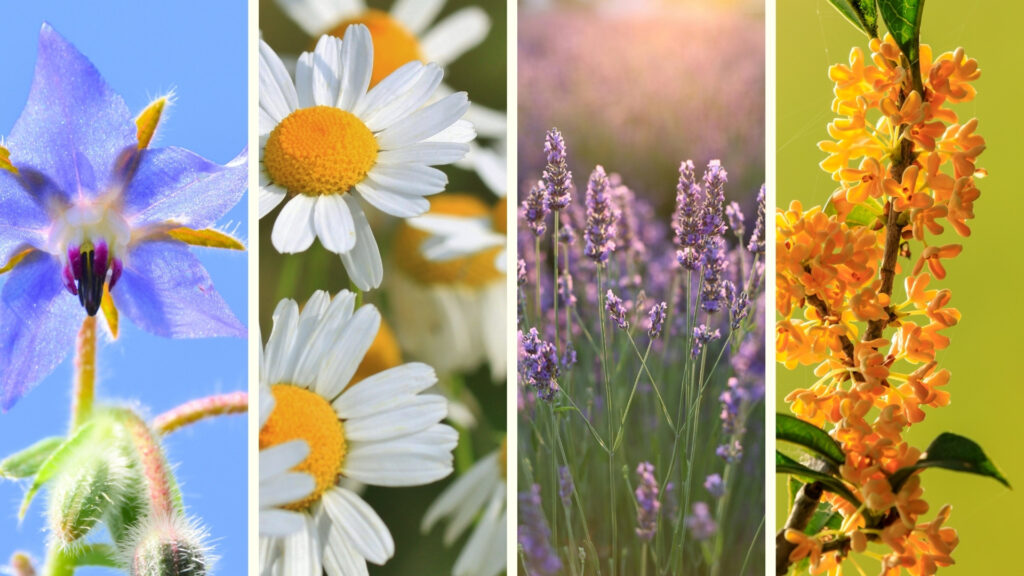
The pretty stuff: flowers
Edible blossoms are nothing new in the craft beverage world, though people often use them strictly for aesthetics. While they certainly make striking garnishes, they can also contribute subtle flavors that are hard to replicate, adding surprising complexity to your cider.
Borage – With its vivid blue, star-shaped flowers, borage looks like it fell straight out of a constellation. The flavor is highly reminiscent of cucumber with a subtle minerality, suited perfectly for crisp, dry ciders. Borage also self-seeds enthusiastically. Plant it once, and it will likely keep coming back year after year to grace your garden and your glass.
Chamomile – Commonly associated with bedtime tea, but cidermakers have their own distinct reasons to love chamomile. The small flowers carry a soft, apple-akin sweetness, echoing the fruit already in the must, with delicate floral notes and a touch of sweet hay. Try the dried flowers for a gentle infusion, or let them float in your glass tucked between ice cubes in a mixed cider drink.
Lavender – This is a bold floral fragrance that works exceptionally well with cysers and rosé ciders. Lavender brings a soft sweetness layered with light herbal bitterness and a hint of citrus, brightening both infusions and cocktails. A light touch is absolutely key here: too much lavender and your cider can quickly move from elegantly floral to something that belongs in your grandmother’s soap drawer.
Osmanthus – It may be tiny, but the scent of osmanthus is impossible to miss. The small blossoms carry a sweet aroma often compared to apricot or peach, making them a completely natural fit alongside apples. A small pinch of dried flowers can lend a gentle stone fruit quality during post-fermentation infusions, while a few fresh blossoms in the glass make a charming, highly aromatic garnish.
The snackable stuff: fruit
Apples may be the star of the show, but even stars benefit from a strong supporting cast. Growing complementary fruits opens the door to seasonal elements that can completely reshape a cider’s personality. Plant berry bushes and fruit trees in early spring or late fall when the plants are dormant. This gives roots plenty of time to establish before the summer heat arrives, helping ensure stronger growth and better fruit production in the following seasons.
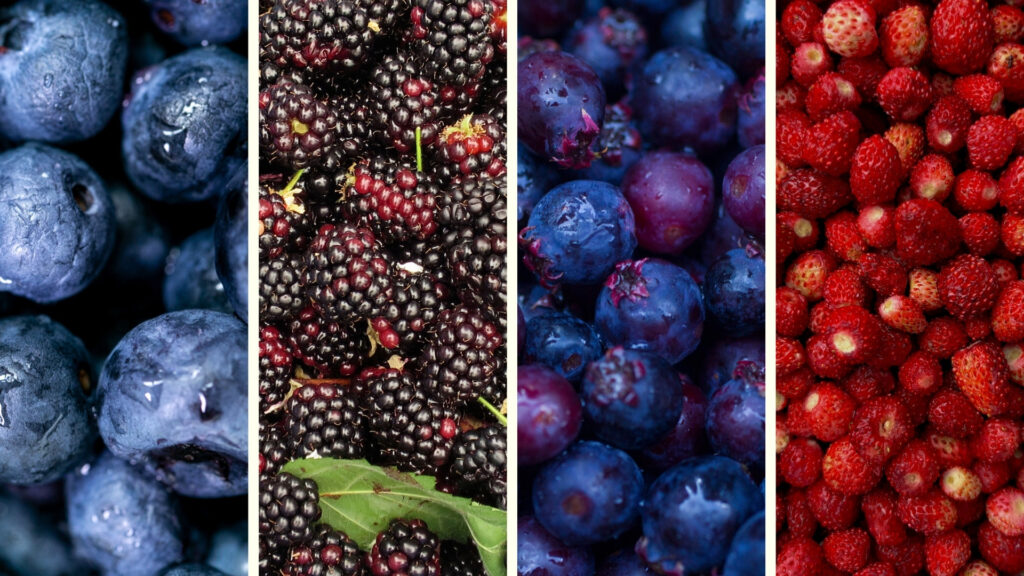
Berries – Strawberries, raspberries, blackberries and blueberries bring a bright, tart snap to cider. Co-ferment them with your pressed apples, and they will contribute playful color, juicy character and massive dimension. Try experimenting with local and wild berries in your area — like nectarberries, huckleberries or tayberries — to give your cider a true sense of terroir. They are just as useful behind the bar, where fresh berries can be muddled into drinks or frozen whole to double as ice cubes that slowly release their juice.
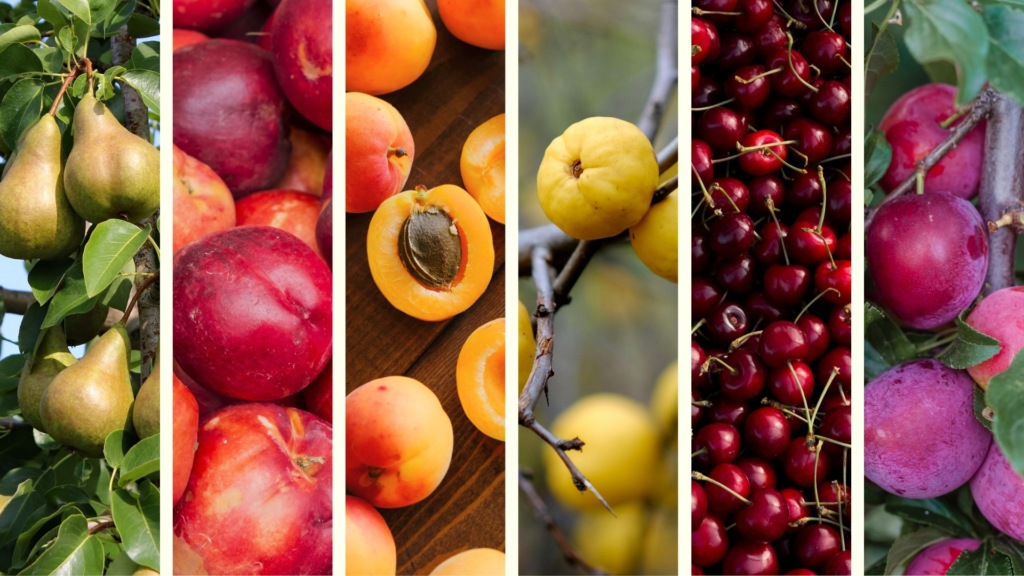
Orchard companions – Pears, nectarines, apricots, quince, cherries and plums can completely transform a batch of cider. These fruits can sometimes stand in for apples entirely, or they can be co-fermented to introduce complex new layers of flavor. Depending on how they are used, they shift a cider’s profile in subtle or dramatic ways, adding color, unique aromatics and structural interest.
Each of these fruits comes in hundreds of unique varieties, each sporting its own identity. Some pears lean honeyed and delicate, while others bring sharp brightness and high acidity. Plums can range from jammy and wine-reminiscent to lively and aggressively tart. Nectarines contribute the qualities of a juicy stone fruit, and quince brings tropical notes and firm structure. Similar to apples, their flavor is heavily shaped by where they are grown. Climate, soil and local conditions all influence the final harvest, meaning the exact same variety cultivated in different regions can taste surprisingly different.
For home cidermakers, finding or growing these fruits locally is a fantastic way to experiment while giving your cider a stronger regional identity. Even small additions can introduce fascinating new nuances to a ferment. The sheer range of varieties means there is always something new to explore from season to season.
The buzz behind better cider
Flavor aside, the plants featured throughout this guide offer benefits that go way beyond enhancing your cider in the glass. They actively support the apple trees that make your fermentation possible in the first place.
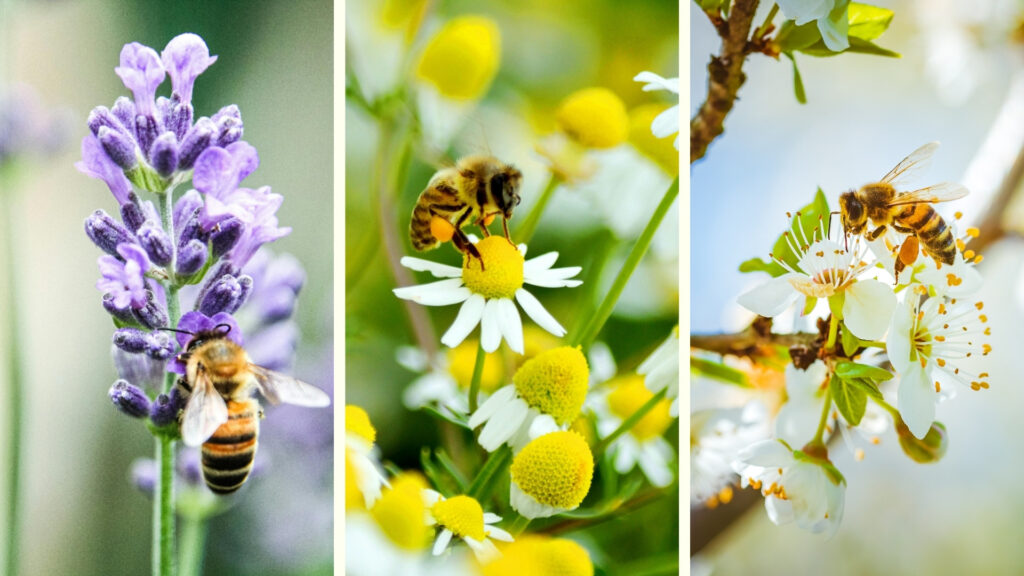
Apple trees rely heavily on pollinators — primarily bees — to transfer pollen between blossoms and trigger fruit development. Without healthy pollinator populations, even a meticulously maintained orchard can produce highly disappointing yields. This is becoming an increasing concern for both commercial growers and home orchardists. Habitat loss and heavy pesticide usage continue to put immense pressure on pollinator populations around the world.
Fortunately, the herbs, flowers and fruits found in a cider garden serve as an excellent pollinator habitat. The blossoms attract an array of helpful garden insects. Borage is widely considered one of the absolute best plants for bees, producing nectar steadily throughout the entire season. Lavender and chamomile are incredibly reliable magnets, with long bloom periods keeping pollinators coming back for more.
Planting these varieties near your apple trees, or in garden beds directly beside an orchard, establishes a natural foraging corridor that draws pollinators in right during bloom time. The result is improved fruit set, more reliable harvests and, ultimately, better cider. It is one of those rare, beautiful situations where improving your craft also actively supports the surrounding ecosystem.
Timing is everything: co-fermentation vs. post-fermentation
If you plan to use your garden harvest for more than just a quick garnish, and you want to introduce herbs, flowers or fruit directly into the cidermaking process, timing becomes one of the most important decisions you will make.
Co-Fermentation – Here, you are adding your garden ingredients at the very start of fermentation, either alongside the yeast or shortly after pitching it into the must. The main advantage here is deep integration. As the cider ferments, the added ingredients mingle with the base, becoming part of its core identity rather than reading as a surface note.
The challenge lies in fermentation’s lively, turbulent environment. Carbon dioxide bubbling away can physically carry off delicate aromatics. Flowers like lavender or chamomile may lose a significant amount of their fragrance, leaving behind flavor but much less perfume. Heartier options like quince, robust berries or sturdy herbs like thyme tend to hold up much better at this rigorous stage.
Post-Fermentation – Adding additional components after the fermentation process provides a bit more control. Once fermentation finishes and the cider has settled down, herbs, fruit or flowers can be introduced to layer their essence directly onto the finished cider.
This method preserves delicate aromatics exceptionally well, making it a great choice for fragile botanicals. The tradeoff is that the flavors tend to read as a finishing note rather than something fully woven into the cider’s DNA. Keep in mind that adding fresh fruit at this stage can sometimes reawaken dormant yeast and kick off a secondary fermentation, especially in live or unfiltered ciders.
A good rule of thumb is to use co-fermentation-stage ingredients to build the core personality of the cider, and post-fermentation additions to polish and adjust the final profile. Both approaches heavily reward curiosity and experimentation. Just make sure to meticulously jot down what you add and exactly when you add it. Future you will be incredibly grateful when you try to recreate a particularly stellar batch — or avoid repeating a weird botanical mistake.
Time to get your hands dirty
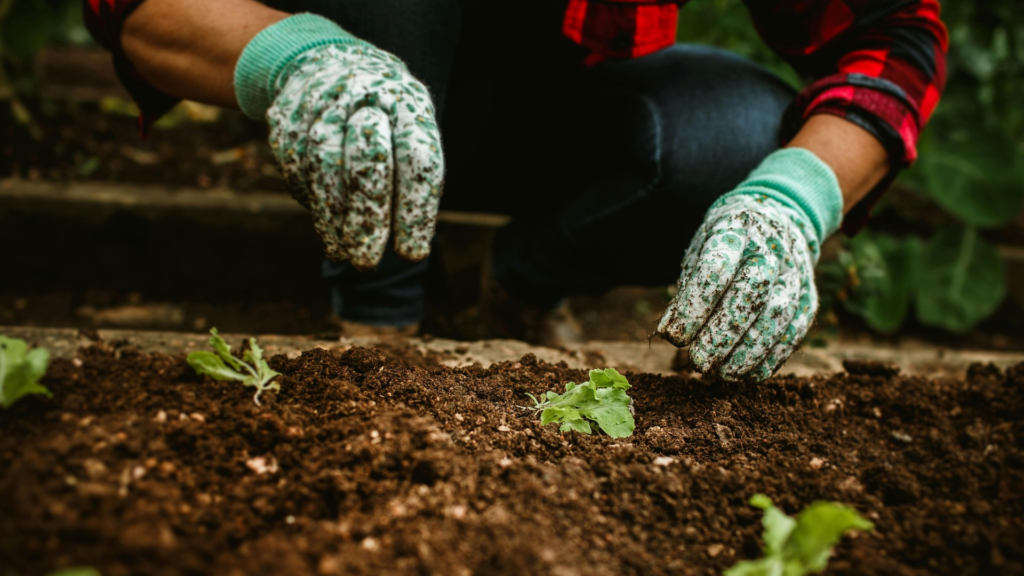
Your garden doesn’t need to be sprawling or grand to make a difference. A few well-placed containers or a small patch along a sunny fence line can produce enough of a botanical bounty to change how you craft and enjoy your cider.
Start with easy growers like mint, borage and a berry bush or two, then expand your plot as time goes by. Before long, you may find yourself completely hooked on the process of growing your own adjuncts. With that, get a little dirt under those fingernails and start planting the seeds for your next great pour.