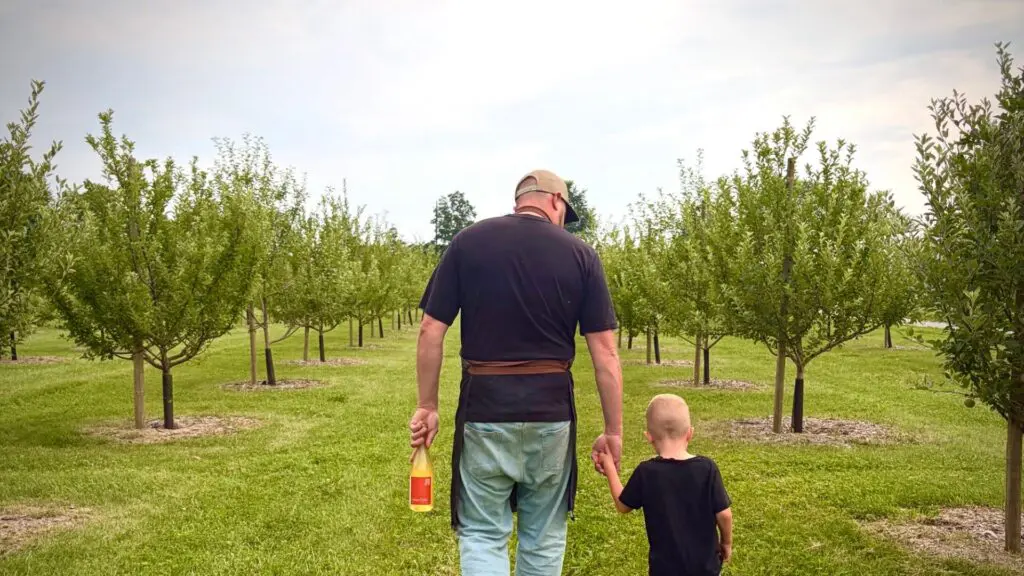
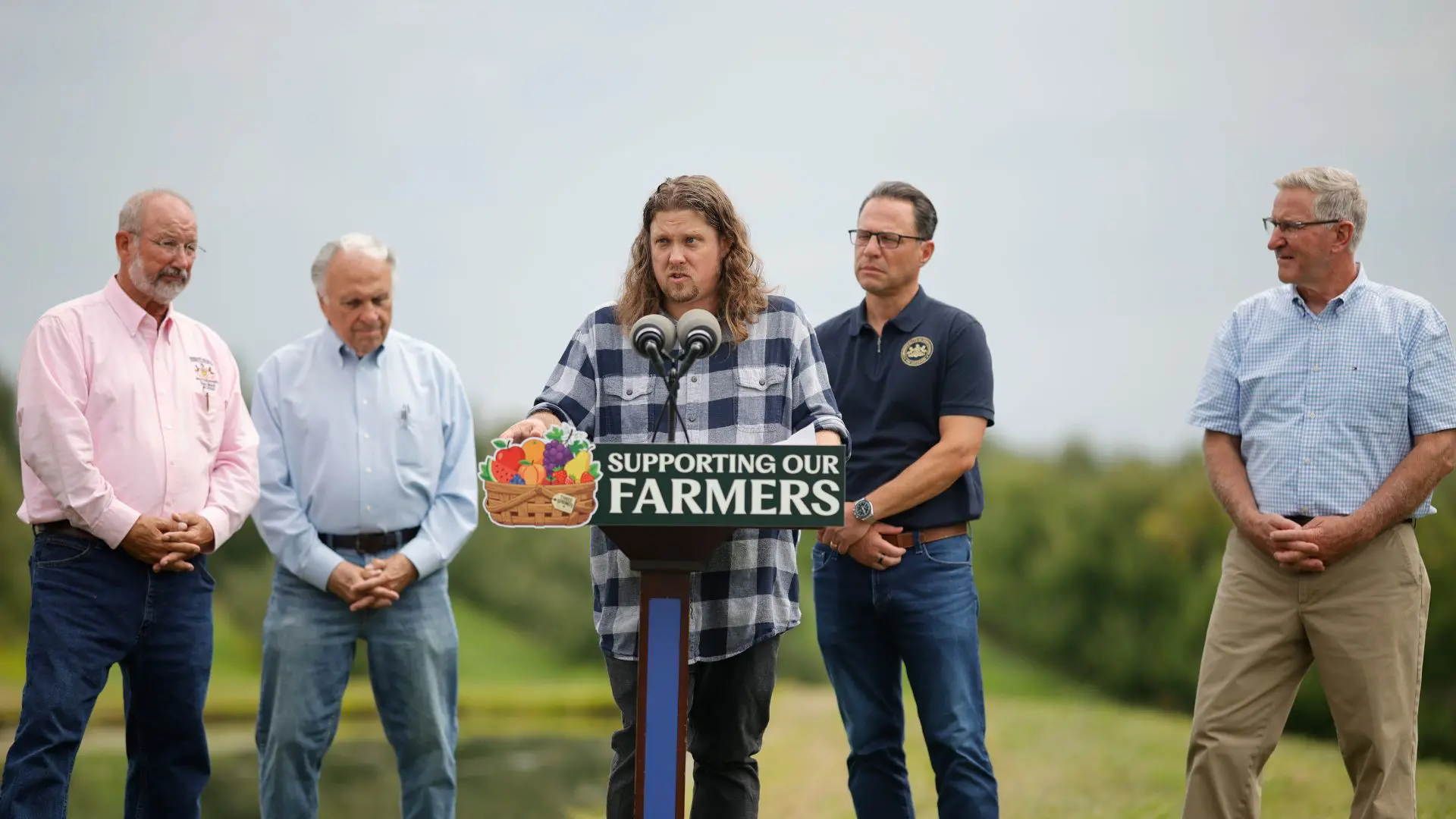
Adams County, Pennsylvania, is one of the country’s largest and most respected fruit-growing regions, but this year the South Mountain Fruit Belt has been dealt a crushing blow: An unusually late spring frost will result in a reduction of 50% or more of the country’s 7.8 bushel apple crop. “We’ve got a long way to go before we discover the full extent of the fallout from it,” says Ben Wenk, owner and operator of Ploughman Cider and Three Springs Fruit Farm, a seventh-generation family farm founded in 1901. “Nobody alive in our county today has seen a frost event this widespread and pervasive,” explains Wenk, who says this level of frost damage is “incredibly rare,” generally only happening about once every hundred years. But with climate change normalizing more extreme weather, Wenk suspects that crop loss due to inclement weather could become a more frequent issue for farmers.
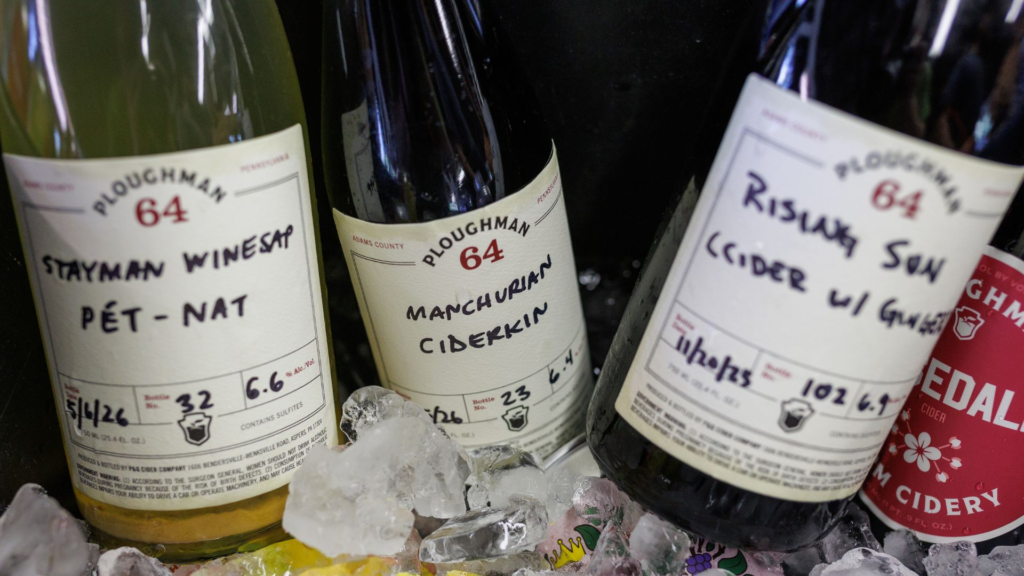
Despite this year’s low yield, however, “We’ve got a lot to celebrate,” he says. Ploughman turns 10 years old in 2026, and to honor of the milestone the cidery is kicking off celebrations with a farm-to-table dinner, the Feast of Johnny Appleseed, on September 26. The dinner will feature a guided orchard tour and three courses, made by chef Palmer Marinelli of Wildlings Events, paired with Ploughman Cider from throughout the past decade. It will be the first of a series of anniversary events and releases, including December celebrations at Monk’s Café and Pip’s (Ploughman’s cider bar) in Philadelphia, and a live music event in Pittsburgh featuring Chuck Darwin & The Knuckle Draggers and Third Set Jerry.
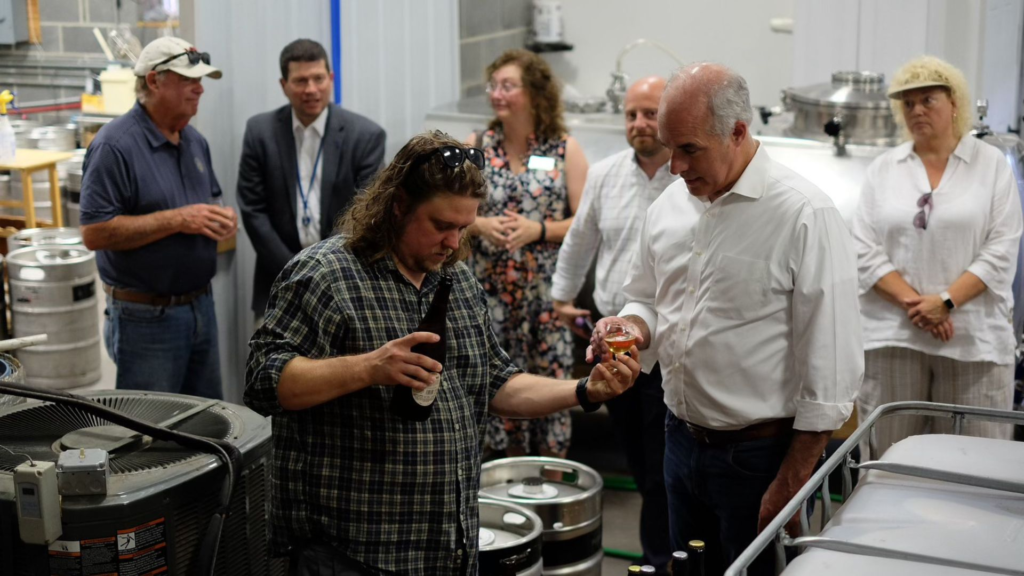
Wenk says his approach to stewarding the orchard and making its estate-grown fruit into cider is informed by lessons he’s learned from kindred spirits such as cidermaking mentors Edwin Winzeler and Peter Mitchell, the chefs his orchard supplies, and “America’s first big apple nerd,” Johnny Appleseed. Wenk calls Appleseed’s “spiritual connection to the apple tree plant” an inspiration and says, “Creating anything related to food and drink is a practice in honoring ingredients.” Because of this, the “cidermaker’s intention and fingerprints are all over the finished product in a way similar to a chef creating a dish, and we couldn’t have any success without the incredible cellar team we have here.” Wenk notes that having direct control over the raw ingredients has been “the biggest factor” in Ploughman’s success. It’s more than just the varieties of apples, he says, “it’s how we grow them. We’ve been stewards of this farmland for 200 years and the care and intention we put into soil health and crop management makes a big difference.”
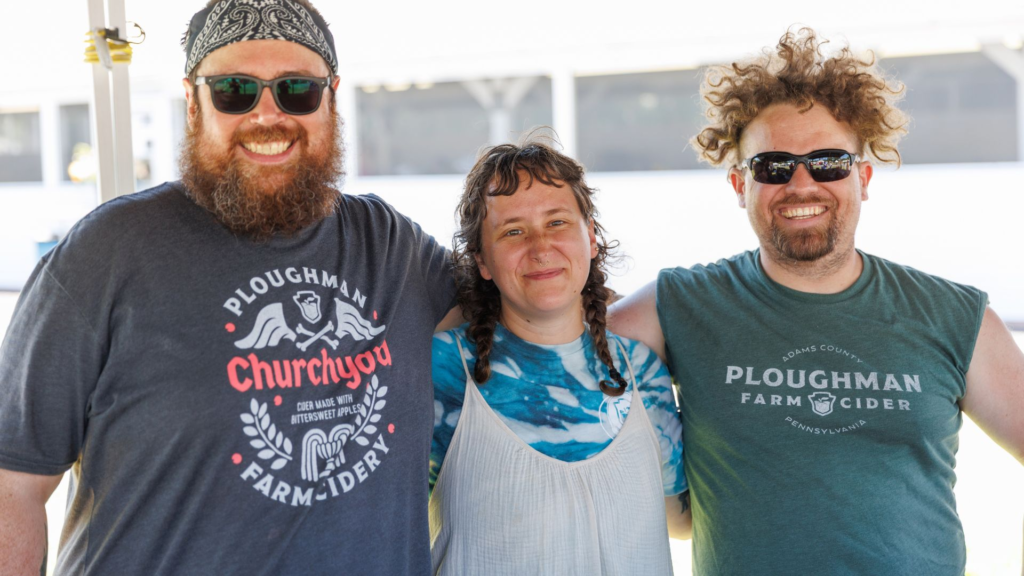
This December, Ploughman will also release an anniversary cider called Stark X Barrel Reserve. To make this single-barrel cider the Ploughman production team — led by head cidermaker Luke Eperthener and cellarman Joshua Gulas — filled a barrel of apple brandy from Laird & Company (based in neighboring New Jersey, it’s the country’s oldest distillery) with juice from some of their favorite estate cider apples, including Spitzenburg, Stayman, and Harrison. The product is a variation on the brand’s Stark cider, the first cider Ploughman ever made, which has “a distinct ripe strawberry note from our own Spitzenburg apples,” says Wenk. As luck would have it, the blend’s maturity has “perfectly aligned” with this year’s milestone anniversary. “Stark X Barrel Reserve feels like a great bookend that represents the journey from our first bottling to the place we’ve arrived 10 years later.”