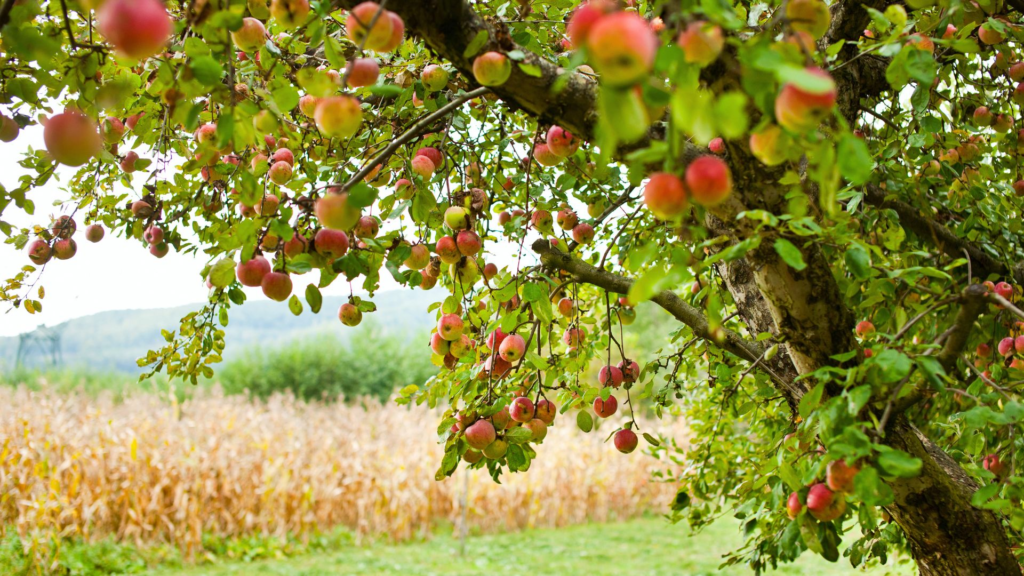
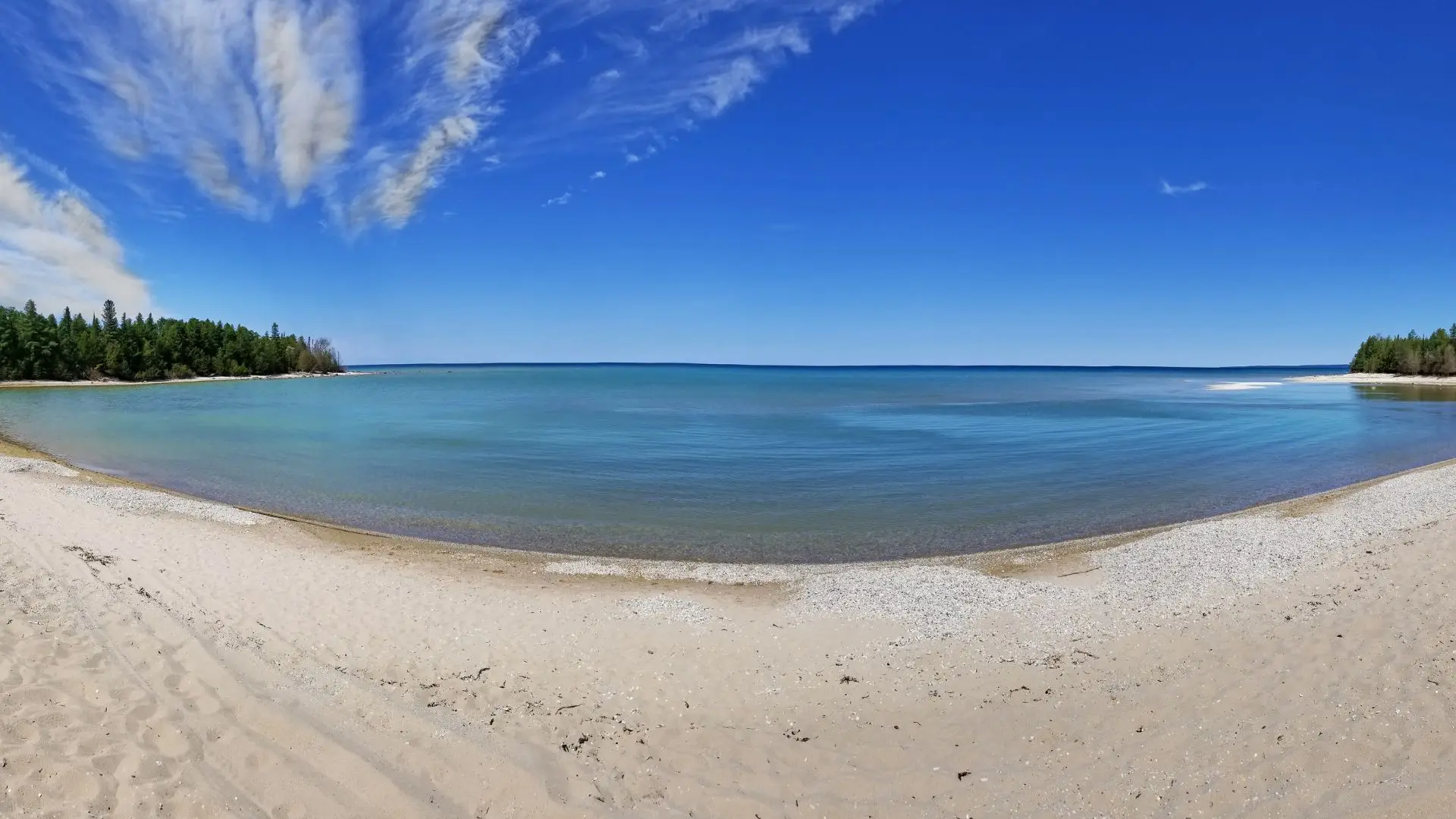
Imagine an apple forest. Not a grove or an orchard, but a forest of apples. Then imagine the apple forest is on a remote island where the apple trees were able to grow and propagate freely for over 100 years with very little contact with the outside world. Can you imagine the cider that would come out of those apples? A completely unique flavor that couldn’t be found anywhere else on earth. It would be amazing, right?
Fortunately, you don’t have to imagine. For nearly a decade, Jeremy VanSice, co-founder of Bee Well Mead and Cider in Bellaire, Michigan, has been traveling to the most remote inhabited island in the Great Lakes to harvest apples to make into the iconic Beaver Island Cider.
Beaver Island is 32 miles off Michigan’s west coast, meaning the apple trees on the island have propagated themselves in a nearly perfect genetic vacuum. Some of the oldest trees on the island — likely planted in the mid-19th century — are nearing the end of their lives. Even though their progeny line the roads and form dense jungles across the island, if the mother trees die, it will be impossible to trace the exact origins of the island’s apple forest. This spring, Luke Marion, founder of MI Gardener asked VanSice to accompany him on a trip to save these apple trees and learn more about where they came from.
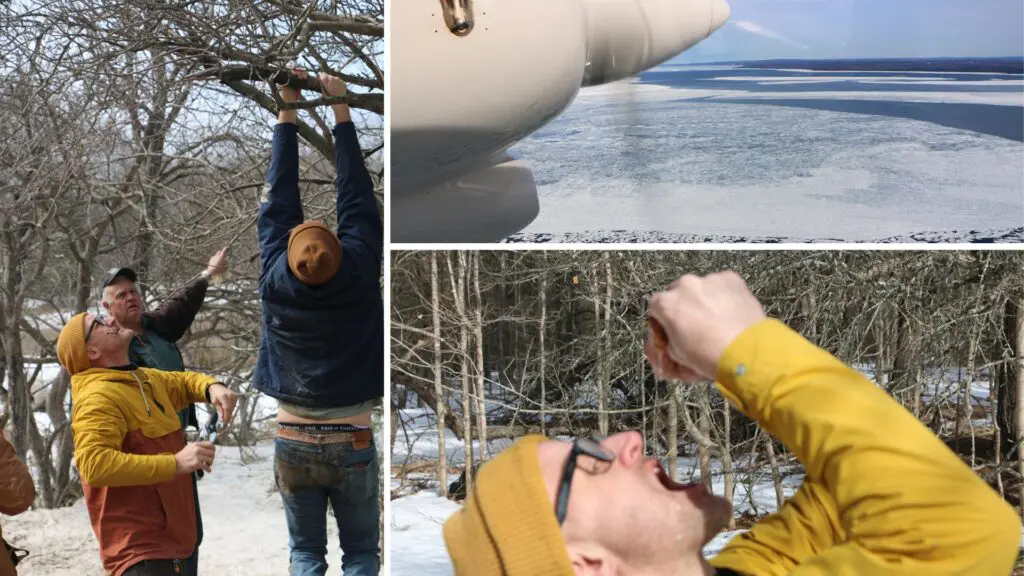
With VanSice’s knowledge of the island’s apple trees and connections to the locals, Marion was able to take cuttings from 71 different trees in secluded locations across the island. After he grafts and cultivates the cuttings, Washington State University’s My Fruit Tree Project will provide detailed genetic information about the origins of these trees.
Dr. Cameron Peace is a professor of fruit tree genetics at Washington State University and the founder of the My Fruit Tree Project. He was hired in 2006 to provide DNA information support to the school’s dessert apple breeding program. He developed a process that captured and catalogued the apples’ DNA information so it could be used to inform and improve the breeding processes.
Recently, Dr. Peace has made that technology available to the public with the My Fruit Tree Project. For a small fee, anyone curious about what kind of apple comes off their tree can send a leaf to the My Fruit Tree Project and learn the genetic history of their apple.
Once Dr. Peace and his team have a better understanding of Beaver Island’s unique apple genetics, some of the trees could be used in the Palouse Wild Cider Apple Breeding Program where Dr. Peace oversees a team of horticulture students who test and breed new apple varieties specifically for cidermaking.
Luke and Jeremy are excited about the possibility that some of these apples are new, never before discovered apple varieties that they will have the opportunity to name. Who doesn’t want to name an apple? Some preliminary names they threw around were Barney’s Limbertwig, Grandma’s Liquor Cabinet, and the VanSlice. (If you’ve got a good apple name, Jeremy and Luke are open to suggestions: [email protected].)