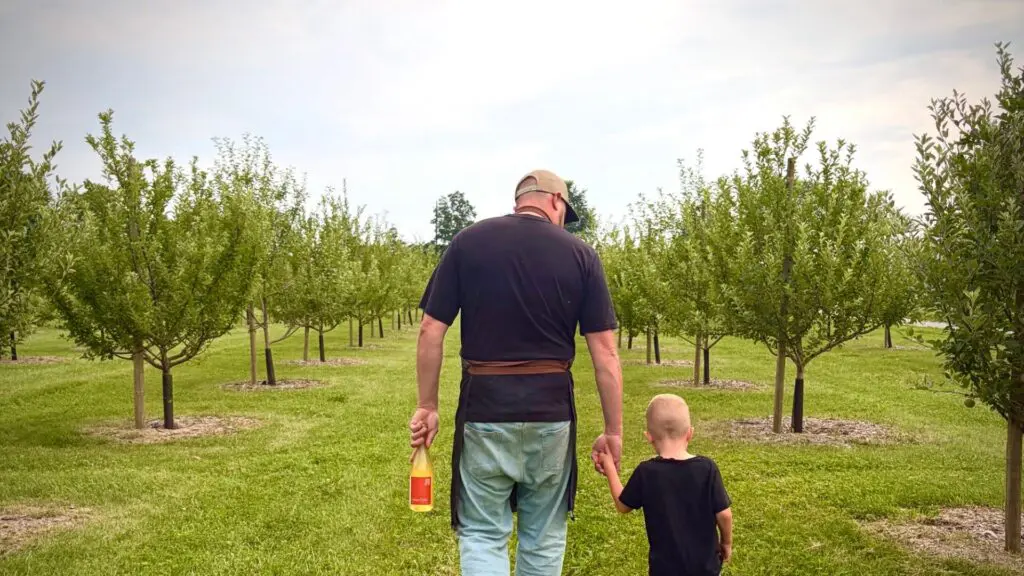
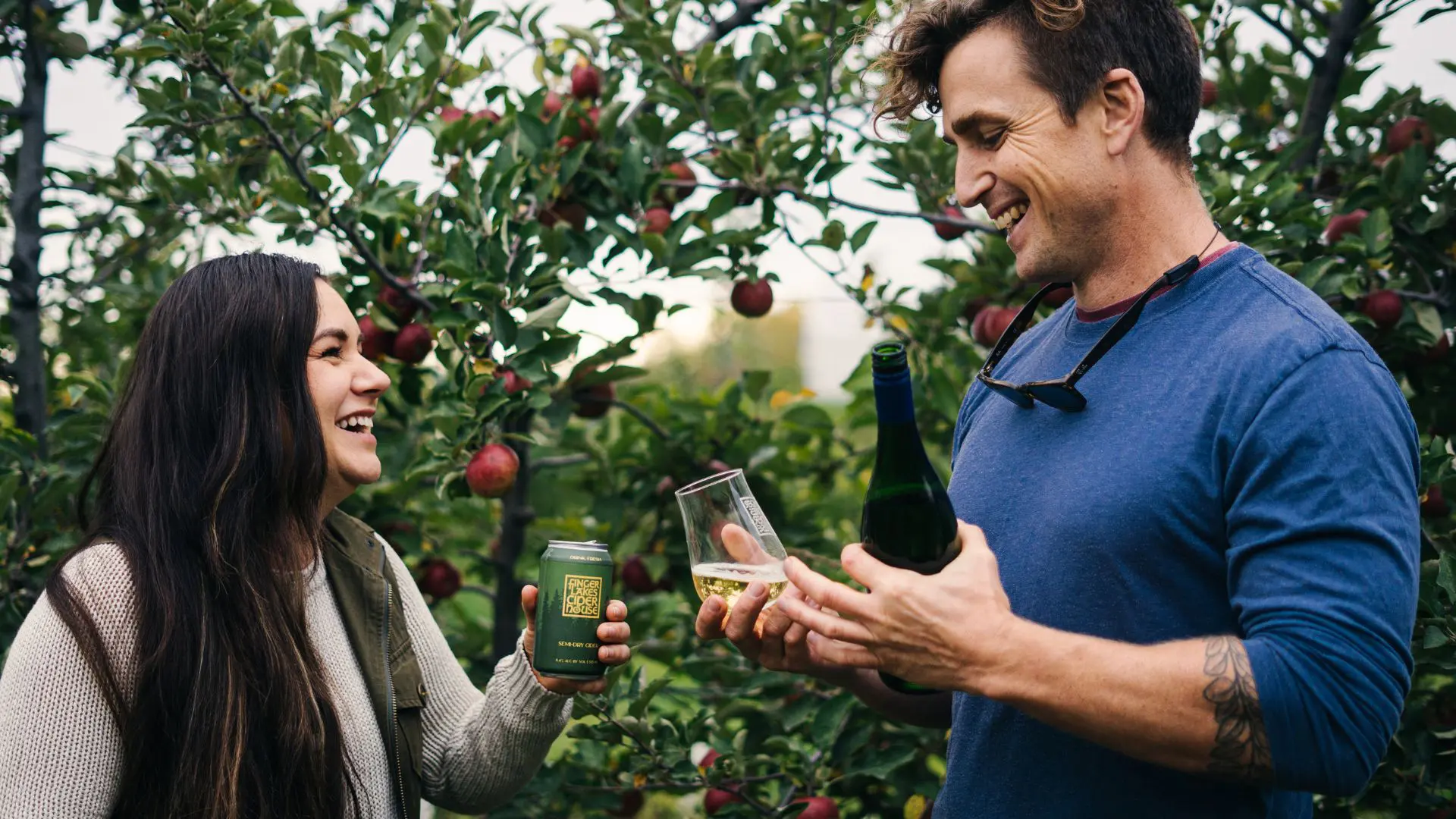
For decades, beverage tourism in New York’s Finger Lakes has revolved around wine. Travelers arrive for lakeside vineyard views, celebrated Rieslings and weekends structured around tasting rooms strung along Seneca, Cayuga and Keuka lakes. But another drink is quietly expanding the region’s identity — one with roots in a crop long tied to upstate agriculture: apples.
Increasingly, cider is carving out its own place within the Finger Lakes tourism landscape, not by competing with wine culture but by broadening what a beverage-focused trip through the region can look like.
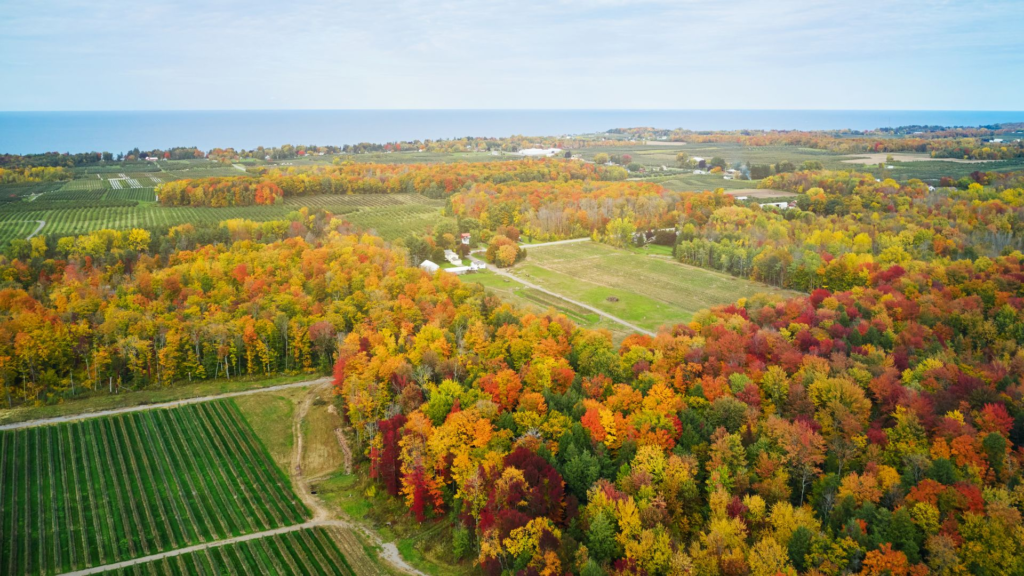
That evolution is visible at the county level in efforts like the Livingston County Libation Loop, which connects breweries, a cidery, a winery and a distillery across multiple stops. Where traditional wine trails built the blueprint for destination drinking in the region, the Libation Loop reflects a wider shift shaping itineraries across the Finger Lakes: visitors want to sample across several beverage categories, not just within one. A weekend might now include vineyard stops, cider flights, farmhouse pours and craft cocktails — all in a single circuit.
Cider fits naturally into that expanded map because, in many ways, apples have always belonged to the Finger Lakes story.
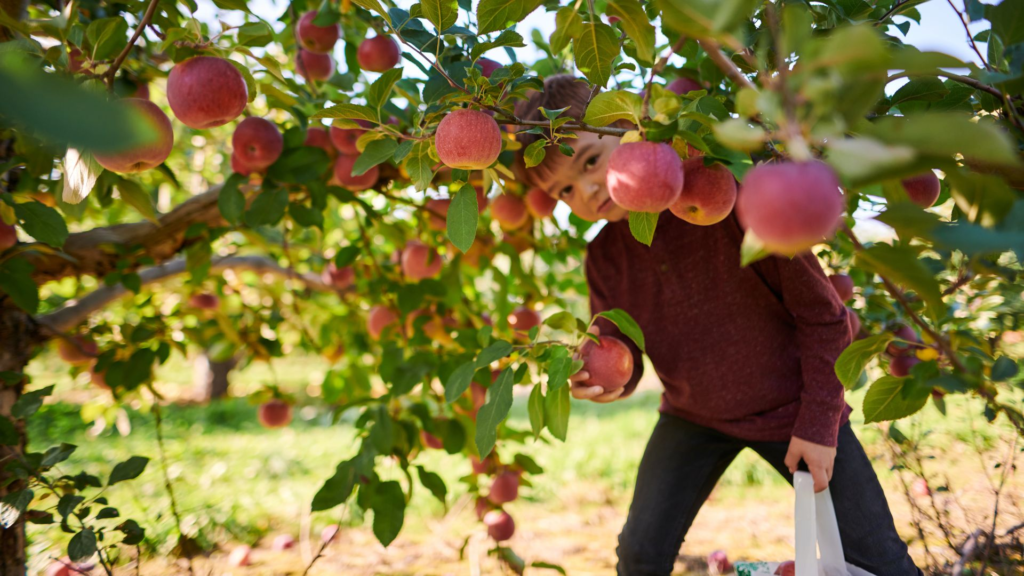
To understand cider’s rise, it helps to look north toward Wayne County, along Lake Ontario’s southern shore. Often cited among the nation’s leading apple-producing counties, Wayne County is a major engine of New York apple agriculture, with generations of orchard families shaping the landscape. Long before cider became a tourism draw, apples were already an agricultural constant.
That lineage is central to producers like Rootstock Cider & Spirits in Williamson, New York. Built from the multigenerational DeFisher family fruit operation, Rootstock connects modern cider production directly to orchard heritage. Visitors don’t just encounter a tasting room — the destination also includes a cornhole hall, a built-in Murphy stage for live music, and a food truck operating inside a large communal space with picnic tables and TVs, a setup designed for groups and families.
The beverage range also extends beyond cider. Rootstock’s on-site distillery produces applejack brandy and vodkas flavored with estate-grown fruit. Among its standout limited releases is Cerise, a sparkling cider aged on cherry skins — tart and juicy with a dry finish and subtle effervescence that reads almost like a rustic dessert wine.
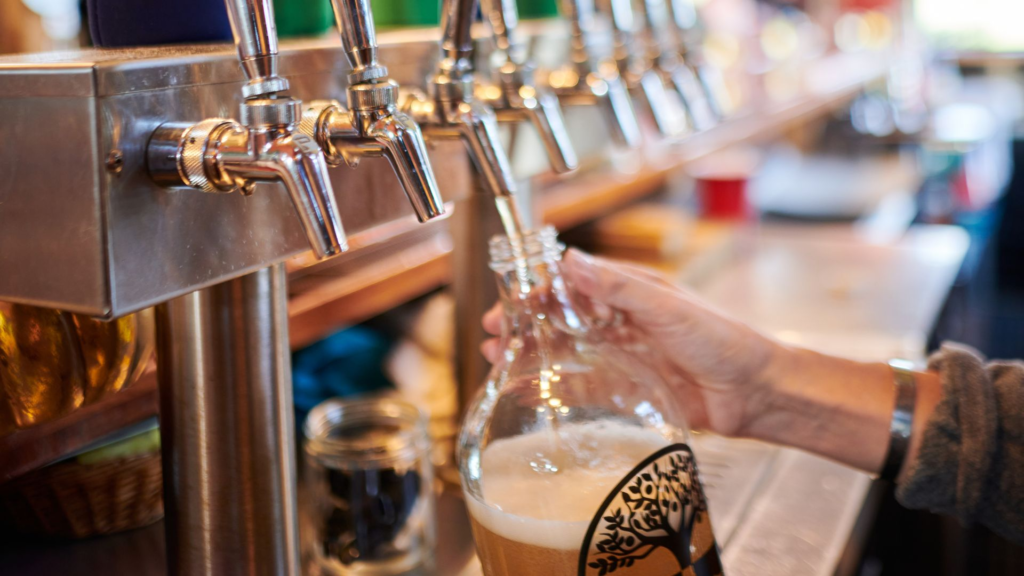
More broadly, a visit to Rootstock situates cider within working orchards, a distinction that matters as cider tourism leans more overtly agricultural than many vineyard-centered wine trail experiences. While the setting carries the casual communal energy of a brewery, it also invites overlap with wine culture: apple varieties and orchard provenance. Here, growing practices are central to how the beverage is discussed and understood.
At Finger Lakes Cider House near Interlaken, New York, cider becomes part of a wider farm experience. Perched above Cayuga Lake, the cidery combines flights, local food, orchard fruit and sweeping views into a distinctly Finger Lakes destination. The experience reflects a growing consumer interest in beverages that connect directly to landscape and farming rather than existing solely as finished products in a glass.
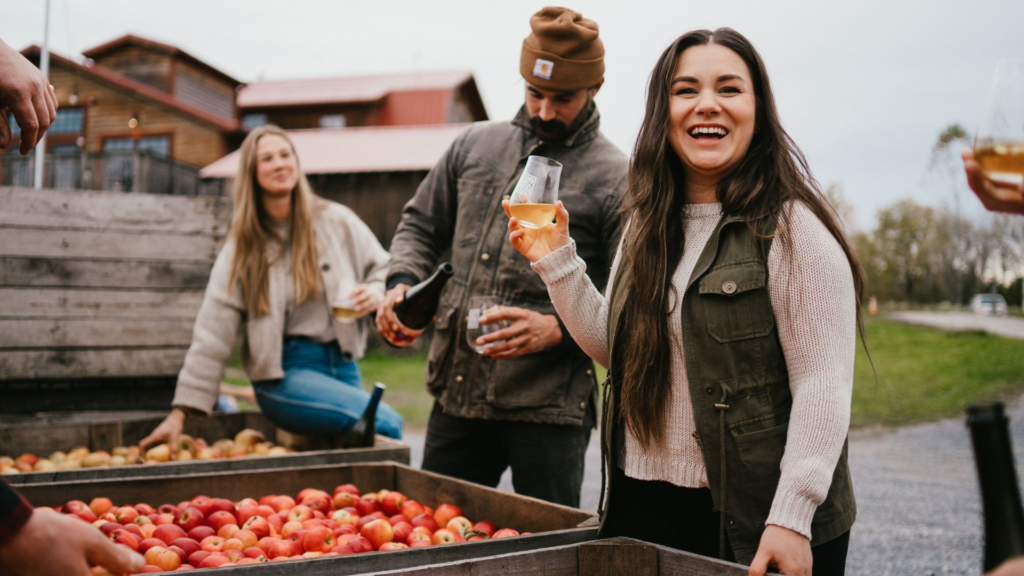
Other producers lean into cider’s ability to express place in ways familiar to wine drinkers. South Hill Cider, outside Ithaca, New York, foregrounds heirloom fruit, wild apples and orchard character — bringing ideas of terroir and site specificity into the cider conversation. Meanwhile, Bellwether Hard Cider, among the region’s earlier modern cider producers, underscores that today’s momentum is built on decades of work, not simply the latest craft beverage trend.
What distinguishes today’s cider movement in the Finger Lakes is not just the increase in the number of producers, but the emergence of cider as a recognizable tourism category in its own right. Mixed-beverage itineraries and growing traveler curiosity about locally grown fruit are reshaping the region’s beverage ecosystem.
That shift also reflects changing drinker expectations. Not every visitor wants an all-wine weekend. Some seek lower-alcohol options, drier and food-friendly styles, or experiences more rooted in orchards and farming than formal tasting rooms. Cider offers an accessible entry point for wine drinkers, beer drinkers and curious travelers alike.
For the Finger Lakes, this evolution is less about replacing wine than expanding what regional beverage tourism can encompass. The region’s vineyards remain foundational. But alongside them, cider is drawing attention to another defining crop, another agricultural history, and another way of tasting place — one that, in the Finger Lakes, turns out to have been there all along.