What if you could make a delicious, refreshing drink from something you’d normally throw away? That’s the magic behind ciderkin, a low-alcohol beverage with a rich history that’s bubbling back into the spotlight. Part of a resourceful tradition, this “small cider” or “water-cider” is capturing the attention of modern cidermakers and drinkers alike, especially those who value sustainability and a lighter tipple.
What is ciderkin?
At its core, ciderkin is the ultimate “waste not, want not” beverage. The process begins where traditional cidermaking ends. After apples are milled and pressed to extract their juice for hard cider, a dense cake of pulp, skins and seeds — known as pomace — is left behind. Historically, this pomace was seen as too valuable to waste.
To make ciderkin, water is added to the pomace, allowing it to soak for a day or two. This process rehydrates the pulp and leaches out the remaining sugars, acids and tannins. The rehydrated pomace is then pressed a second time. The resulting liquid is a much lower-gravity juice compared to the first pressing, which is then fermented. Because there’s less sugar to convert into alcohol, the final product is a beverage with a low ABV, typically ranging from 1.5% to 4%.
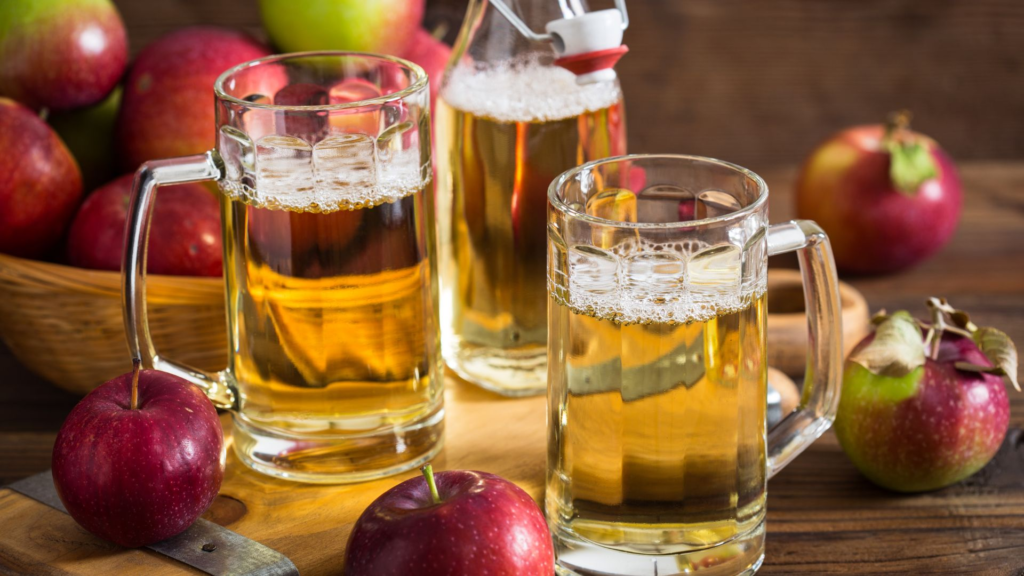
The flavor profile is distinctly different from its full-strength parent. Ciderkins are generally lighter, more subtle and often described as crisp and thirst-quenching. Think of it as the cider equivalent of a piquette in the wine world — a more approachable, everyday drink.
Pros and cons of ciderkin
Pros:
- Sustainability: It’s a fantastic example of upcycling, reducing waste in the cidery.
- Low-alcohol: It caters to the growing demand for low-ABV and sessionable alcoholic beverages.
- Unique flavor: It offers a different, lighter expression of the apples, which can be a refreshing alternative to full-strength cider.
Cons:
- Subtle flavor: The flavor can be very delicate, which might underwhelm drinkers accustomed to bold, full-bodied ciders.
- Limited shelf life: Due to its low alcohol content and different chemistry, ciderkin may not be as shelf-stable as its higher-alcohol counterpart.
The eco-friendly appeal
Sustainability is no longer a niche interest; it’s a major driver of consumer choice. The beverage industry has seen a significant shift toward practices that minimize environmental impact, and ciderkin fits perfectly into this movement.
By giving apple pomace a second life, cidermakers are embracing a circular economy model. This not only diverts waste from compost piles or landfills but also maximizes the value extracted from the apple harvest. For consumers, choosing a bottle of ciderkin is a small but tangible way to support businesses that prioritize resourcefulness and environmental stewardship. This story of sustainability adds another layer of appeal to the drink, making it more than just a beverage, but a statement of conscious consumption.
Why is ciderkin trending now?
Beyond its green credentials, ciderkin’s market appeal is fueled by the “better-for-you” beverage trend. Consumers are increasingly seeking out low-calorie and low-alcohol options that fit into a healthier lifestyle. A light, low-ABV ciderkin is an excellent choice for a casual afternoon, a post-hike refresher, or for someone who wants to enjoy a few drinks without the effects of higher-proof beverages.
Its historical roots also add a layer of authenticity and craft that resonates with today’s drinkers, who are often eager to explore heritage techniques and beverages with a story.
Makers to watch
Ciderkin is often produced in small, seasonal batches. If you’re looking to try some, it’s worth checking in with these innovative producers to see what they have in the works.
North America
- Western Cider (Missoula, Montana): Has produced a ciderkin as a regular offering, using various apples from their orchard.
- Bull Run Cider (Forest Grove, Oregon): Released a “Proper CiderKin” made with a blend of bittersharp, bittersweet and heirloom apples.
- Puget Sound Cider Company (Seattle, Washington): Offers a “Virginia-Kin (American Ciderkin).”
- Yonder Cider (Seattle, Washington): Has released a ciderkin described as a light, refreshing, low-ABV sipper.
- Uncommon Cider (Calgary, Alberta): Produced an “Albertan first” ciderkin using 100% locally foraged Dolgo and Kerr pomace.
Europe
- The Cider Mill (County Meath, Ireland): Has produced a “Revival Series” ciderkin as part of its dedication to reviving traditional Irish cidermaking.
- Little Pomona (Herefordshire, UK): This acclaimed cidery has made unique versions like a “Dry Hopped Hard Rain Ciderkin” and even a “Perry-quette” from pear pomace.
How to make your own ciderkin at home
Feeling adventurous? If you have access to fresh pomace from making your own cider, you can easily try making a batch of ciderkin.
Ingredients and equipment:
- Fresh apple pomace from one pressing
- Clean, chlorine-free water (enough to cover the pomace)
- A food-grade bucket or container for soaking
- A cider press (or a sturdy brew bag for squeezing)
- A sanitized carboy or jug for fermentation
- An airlock
- Cider yeast (optional, for a more controlled ferment)
Instructions:
- Soak the pomace: Place your leftover pomace into the food-grade bucket. Add enough clean water to just cover it. Stir well, cover the bucket, and let it sit for 12-24 hours. This allows the water to pull out the remaining sugars.
- Press again: Transfer the rehydrated pomace to your press and press it just as you did the first time. If you don’t have a press, you can put the pomace in a large, sanitized brew bag and wring it out by hand to extract as much liquid as possible.
- Check the gravity: Collect the liquid and use a hydrometer to measure the specific gravity. It will be much lower than your first pressing, likely in the 1.015-1.030 range.
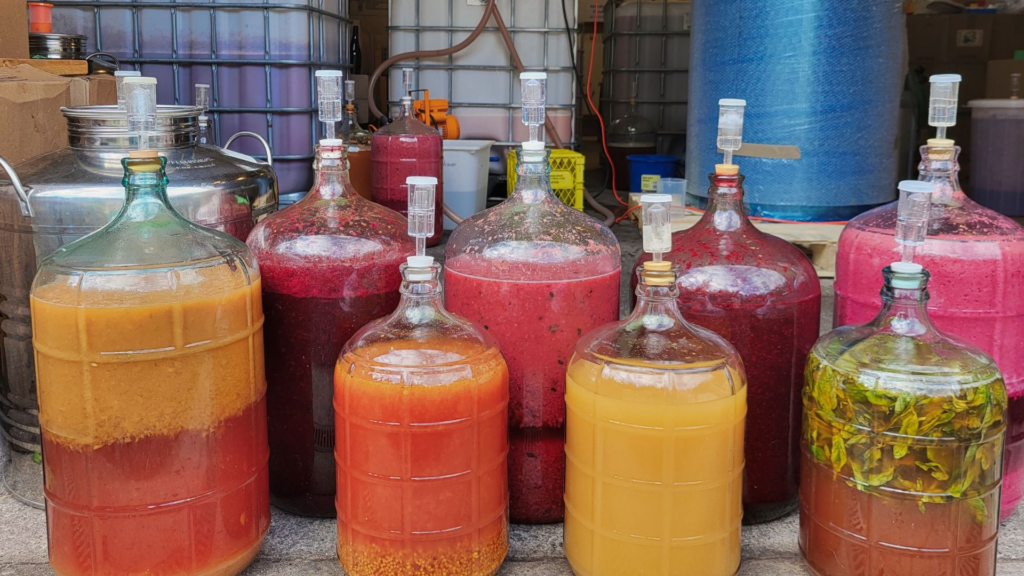
- Ferment: Transfer the liquid to a sanitized carboy, leaving some headspace at the top. You can let it ferment with wild yeast from the apple skins or pitch a packet of cider yeast for a more predictable result. Attach an airlock.
- Bottle: Fermentation will be much quicker than with full-strength cider. Once the bubbling in the airlock has stopped and the liquid tastes dry, it’s ready to bottle. Ciderkin is best enjoyed young and fresh, so don’t feel the need to age it for long.
A second act for apples
Ciderkin is a testament to the ingenuity and resourcefulness of traditional cidermaking. As modern drinkers and producers rediscover its charms, this humble beverage is poised to become a beloved fixture in the craft cider landscape. It offers a sustainable, sessionable and historically rich alternative that proves the second act can sometimes be just as compelling as the first. The next time you see a bottle, give it a try — you’ll be sipping a bit of cider history.